Presidential Shingles vs Regular Shingles: Which Roof Wins?
Presidential shingles cost more, weigh nearly double, and come with longer warranties than regular shingles. Regular shingles cost less upfront and work fine on homes that weren’t built to carry heavier roofing. That’s really the whole trade-off in one sentence, but the details matter once you’re the one signing the contract.
CertainTeed’s Presidential Shake line runs 350 to 415 lbs per square (159 to 188 kg). A standard three-tab shingle like CertainTeed’s XT 25 comes in around 205 lbs per square (93 kg). That’s not a small gap, and it’s the reason this decision isn’t just about looks or price. It changes what your roof deck and rafters need to hold up.
What Are Presidential Shingles?
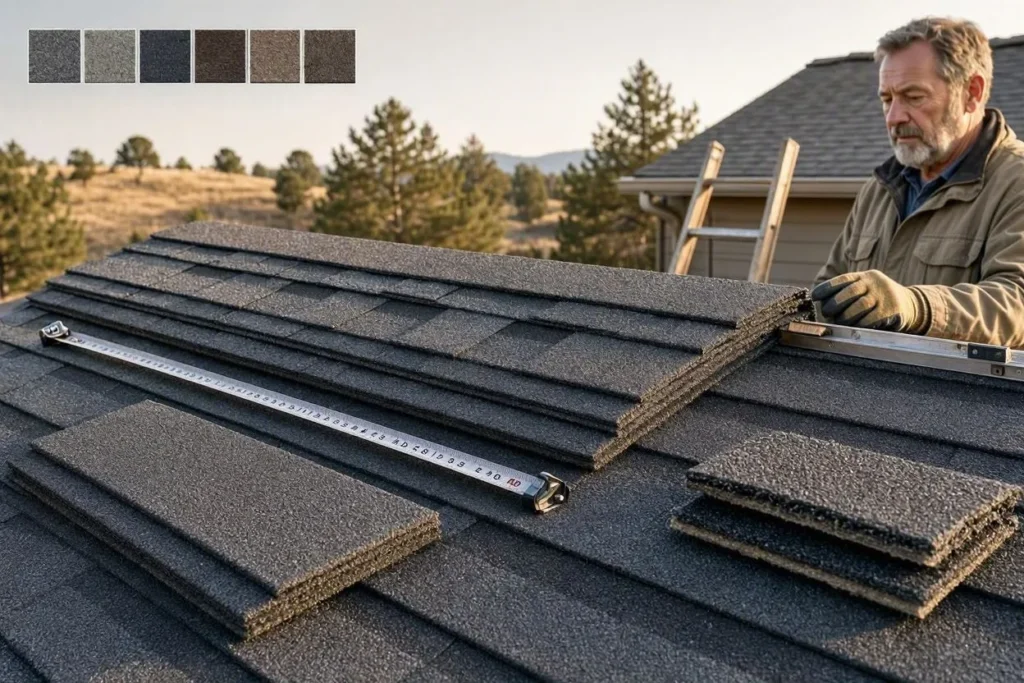
Presidential shingles are CertainTeed’s premium, multi-layered laminated asphalt line, built to mimic the look of wood shake or slate. Two or more asphalt layers get fused together during manufacturing, which is why they’re thicker and heavier than a standard shingle. The Presidential Shake model measures 14¼ by 40 inches (36.2 by 101.6 cm) and comes in nine colors.
A lot of homeowners in wildfire-prone areas gravitate toward this line because it carries a Class A fire rating under ASTM E108 and UL 790, the same rating many California building codes have required since the 1991 Oakland firestorm, which destroyed roughly 3,000 homes with wood shake roofs.
What Are Regular Shingles?
“Regular shingles” usually means three-tab or standard architectural asphalt shingles: a single fiberglass mat coated in asphalt and topped with ceramic granules. Three-tab shingles use one flat layer with cut notches for the tab pattern, so each one covers less surface for less money. Architectural (or “dimensional”) shingles laminate two asphalt sheets for some texture, but they’re still nowhere near Presidential-tier weight. The XT 25 weighs 205 lbs per square (93 kg), comes in 30 colors, and carries a shorter warranty than the premium lines.
Key Differences
Weight and structural load
Presidential shingles run 145 to 210 lbs heavier per square than regular three-tab shingles (66 to 95 kg). CertainTeed’s Grand Manor line, a step up in weight from Presidential, tops out at 415 lbs per square (188 kg). Homeowners with older houses, especially anything built on 2×4 rafters from the 1950s, have found they need extra framing before an installer will even put Presidential shingles up. Regular three-tab shingles rarely require that kind of reinforcement.
Wind and impact resistance
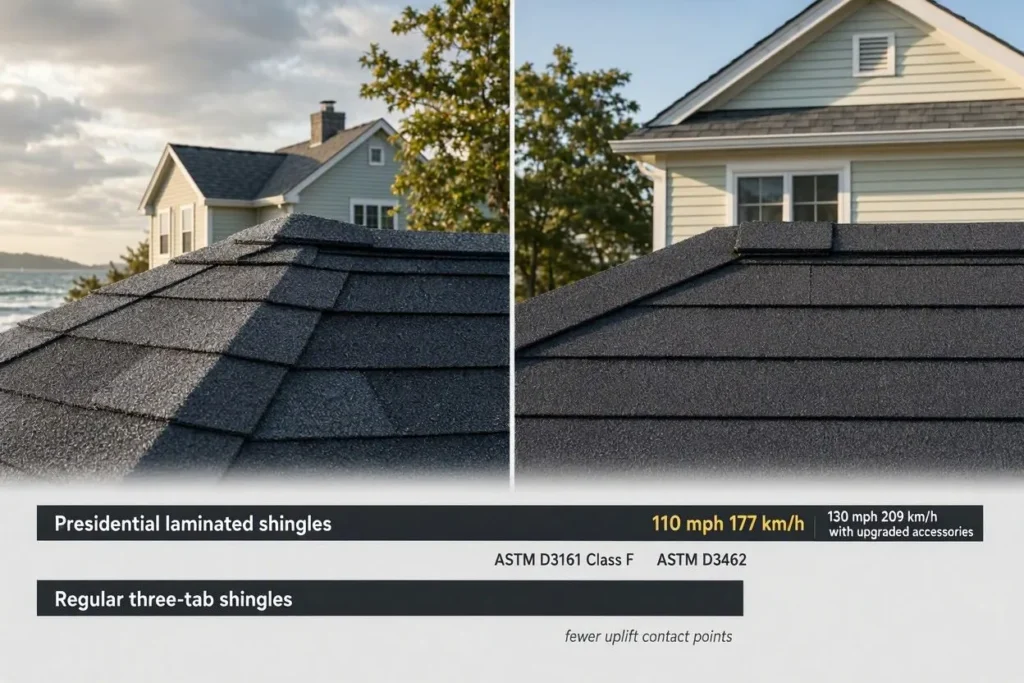
Presidential shingles generally beat regular shingles on wind and impact tests. Wind warranties reach 110 mph standard (177 km/h) and 130 mph with upgraded accessories (209 km/h). CertainTeed rates its laminated lines to ASTM D3161 Class F for wind and ASTM D3462 for tear resistance. Regular three-tab shingles rate lower across the board, since a single-layer shingle has fewer contact points to resist uplift. If you’re in a coastal county that requires Miami-Dade Product Control Approval, check the exact model, because approval depends on where it was manufactured.
Warranty coverage
Presidential shingles typically come with a lifetime limited transferable warranty plus 15 years of algae-resistance coverage. CertainTeed backs Presidential and Landmark Pro lines with its StreakFighter algae warranty and 10-year SureStart protection. Regular three-tab shingles from the same manufacturer usually get a flat 10-year material warranty, no algae or wind add-ons. And that algae protection isn’t just marketing: a roof in a humid climate can start streaking dark within five to seven years without it.
Lifespan
Presidential shingles last 30 to 50 years. Regular three-tab shingles last 15 to 20. That gap alone can offset the higher sticker price over the life of two roof replacements. Architectural shingles sit in the middle, usually lasting 25 to 30 years. If you’re planning to stay in the house for a decade, you probably won’t recoup the price difference. Stay for thirty years, and you almost certainly will.
Cost per square
Expect $550 to $700 per square installed for Presidential shingles, versus $250 to $450 for regular three-tab. One roofing forum thread tracked a 45-square Presidential Shake job at roughly $24,000 total, tear-off, OSB decking, and double-coverage 30-lb felt underlayment included. A three-tab job of the same size runs closer to $12,000 to $15,000. Materials alone for Presidential shingles run about $140 per square before tax, based on that same job.
Appearance and curb appeal
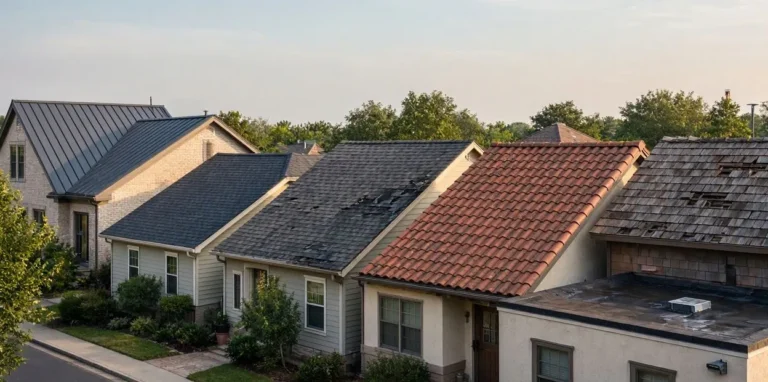
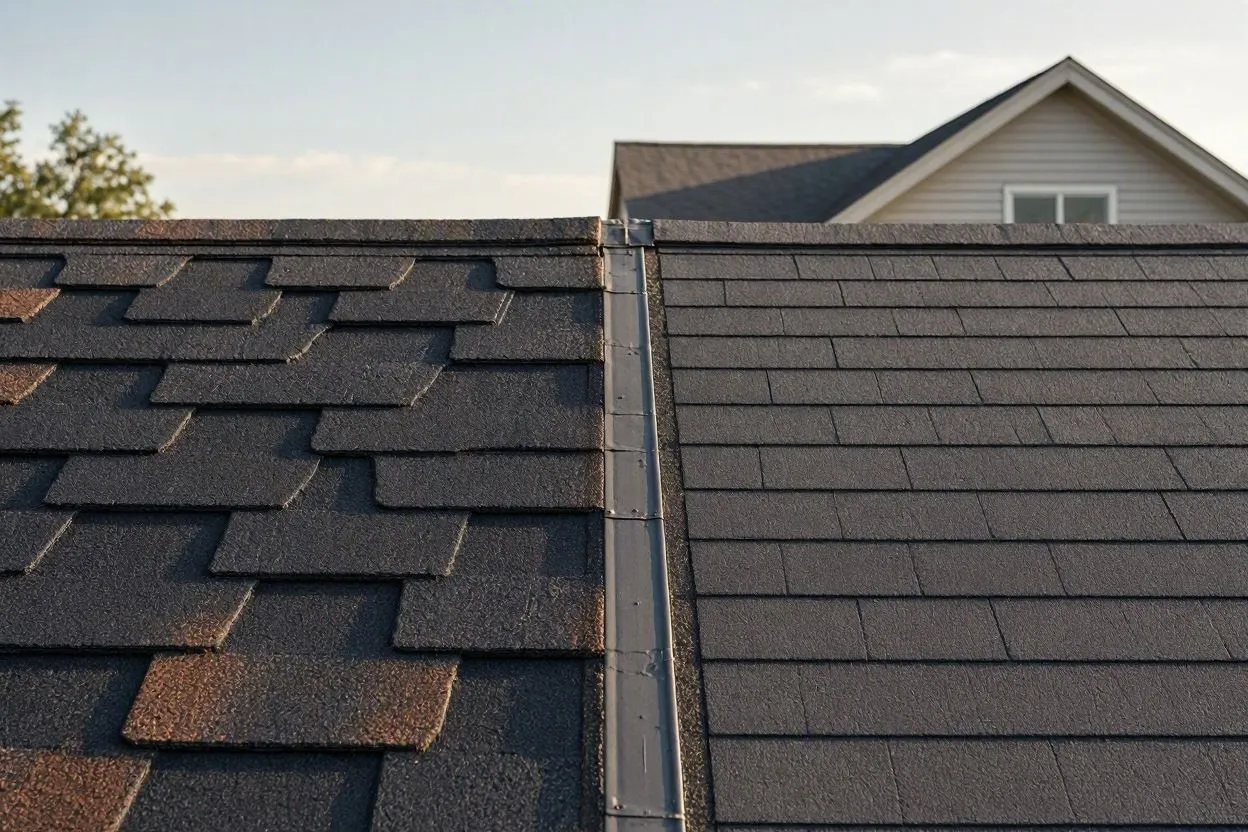
Presidential shingles cast a thicker, more dimensional shadow line that reads like wood shake or slate. Regular three-tab shingles lie flat, uniform, single-plane. Buyers in historic districts or upscale developments often choose Presidential specifically for that shake-like profile. Regular shingles remain the default for rental properties, spec homes, and any renovation where function matters more than looks.
Are Presidential Shingles Worth It?
For homeowners staying put 15+ years, living somewhere prone to high wind or wildfire, or just wanting the upgrade in appearance, yes. The math works out best on longevity: spread a 40-year lifespan across four decades and the annualized cost lands close to, or below, a three-tab roof you’ve replaced twice in that same stretch. Sell within five years, though, and you’re unlikely to see that money back at resale.
When Regular Shingles Make More Sense
Short-term ownership, rental properties, tight budgets, and older homes with narrow framing that can’t take the extra weight without expensive reinforcement. A landlord replacing a roof purely for cash flow gets little out of a 50-year shingle. And homes built before 1970 sometimes fail a structural load check for Presidential-weight products outright, which pushes the total project cost well past whatever you’d save on the shingles themselves.
How They Perform in High-Wind and Wildfire Zones
Presidential shingles hold up better in both. Class A fire rating under ASTM E108, wind warranties up to 130 mph (209 km/h) with upgraded starter and ridge accessories. California’s Class A fire-rated roofing requirement in high-risk zones dates back to that 1991 Oakland firestorm, and Presidential shingles meet it directly. Regular three-tab shingles can also carry a Class A rating depending on the manufacturer, but their wind ratings top out lower, usually 60 to 80 mph (97 to 129 km/h) without upgrades.
Installation
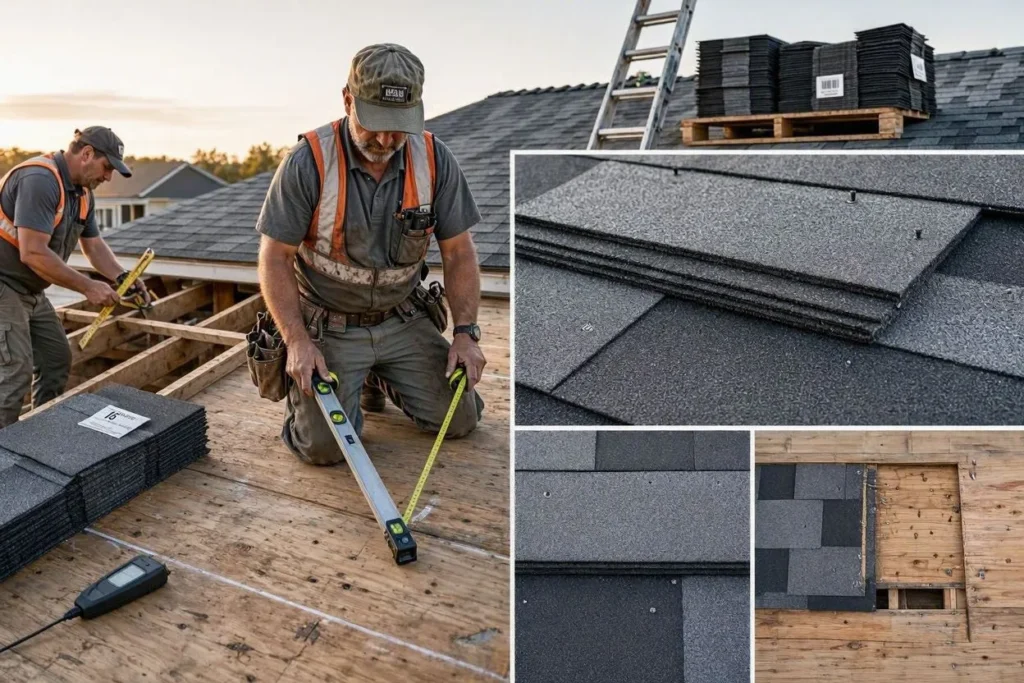
Presidential shingles need a contractor who’s actually worked with heavier laminated products before. Bad nailing patterns or weak decking can void the warranty fast. Installers have to check rafter spacing and deck condition before they even start, since a soft spot under 400 lbs fails a lot quicker than the same spot under 200 lbs. Regular shingles go up faster, usually a day or two on an average single-family roof. Presidential installs can take two to three days given the weight and the precision the shake pattern demands.
Conclusion
This decision really comes down to three things: how long you’re staying, what your climate demands, and what your existing framing can actually support. Presidential shingles cost more, weigh close to double, and outlast regular shingles by 15 to 30 years. Three-tab shingles stay the practical pick for short-term ownership or older homes that can’t take the extra load. If you’re in a wildfire or high-wind zone, the Class A fire rating and 130 mph wind warranty on the Presidential line are hard to argue with. Past that, it’s one roof inspection, one framing check, and an honest guess at how long this house is going to be home.
Common Questions

Related Posts