How Poor Yard Drainage Can Lead to a Wet Basement
A wet basement usually sends people straight to the walls and floor. That makes sense, but the real trouble often starts out in the yard. Rain that sits near the house pushes against the foundation,
Free Construction Knowledge Hub · Since 2025
Free guides
Construction calculators
Topic areas covered
Free — no sign-up, no paywalls
Construction is a big subject. We have split it into focused knowledge areas so you can learn one piece at a time, from the materials that go into a wall to the software that plans an entire project.
Learn what buildings are made of: cement, concrete, bricks, steel, timber, plaster, pipes and roofing sheets. Compare properties, uses, lifespan and typical costs before you choose.
Understand how concrete works, from mix ratios and cement grades to slump tests, curing time and common cracking problems.
See how loads travel from roof to soil. Covers foundation types, beams, columns, load-bearing walls, DPC and construction joints.
Core engineering concepts explained in plain language: structural analysis, soil mechanics, drainage, hydraulics and transport infrastructure.
How builders price a project: material takeoffs, bills of quantities (BOQ), labor rates, contingency and value engineering.
How projects stay on time and on budget: scheduling, the critical path method, procurement, risk and contractor coordination.
How drones, BIM, digital twins and AI are changing design, site monitoring and project delivery.
Site safety basics, fall protection and hazard control, plus green building, net-zero design and embodied carbon.
Free Tools
Turn what you learn into numbers. Each calculator shows the formula it uses, so you understand the result instead of just copying it.
Not sure where to begin? Pick the path that matches what you want to understand. Each one links 4–5 guides in a logical reading order.
How a building comes together, stage by stage.
Everything that decides whether concrete lasts.
What homeowners should know before work begins.
The skills site engineers and project managers use daily.
Trending Now
The questions people search most, answered in depth.

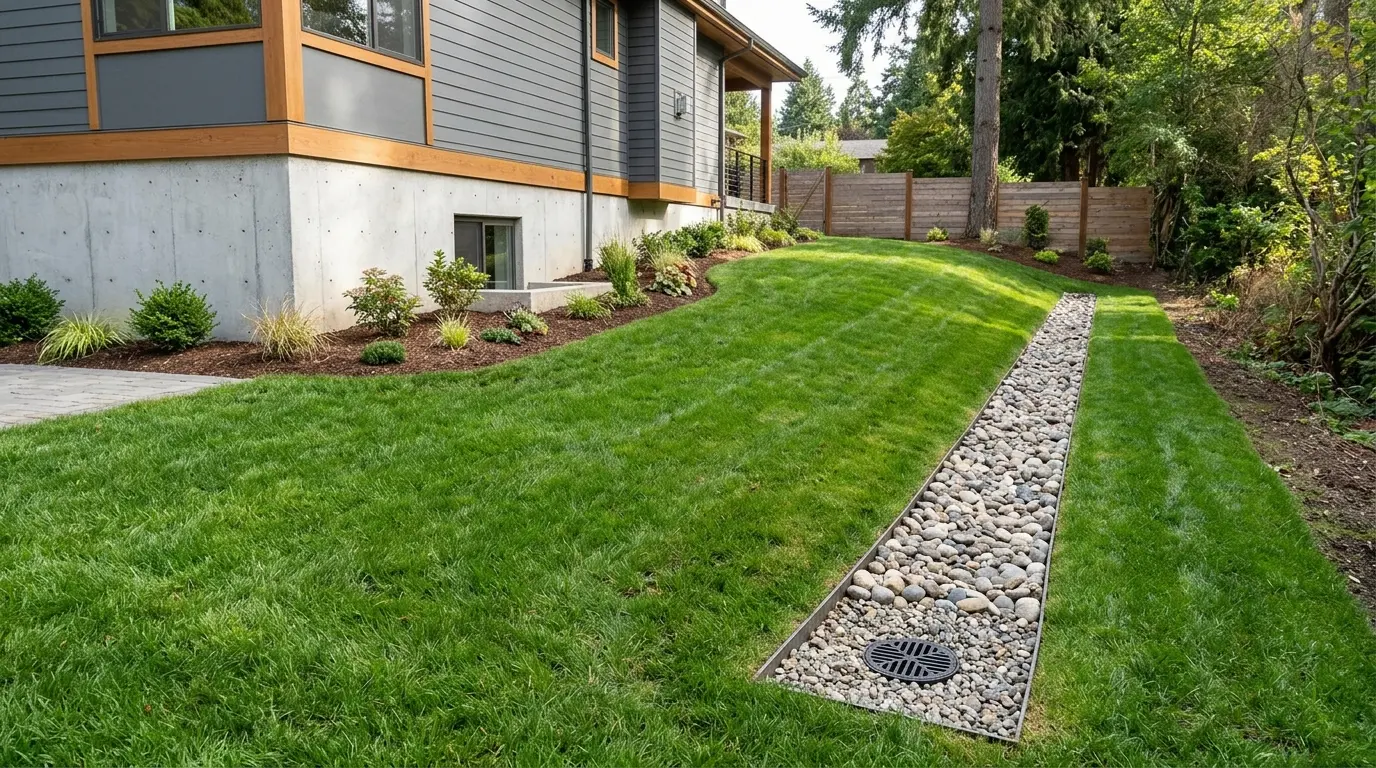
A wet basement usually sends people straight to the walls and floor. That makes sense, but the real trouble often starts out in the yard. Rain that sits near the house pushes against the foundation,

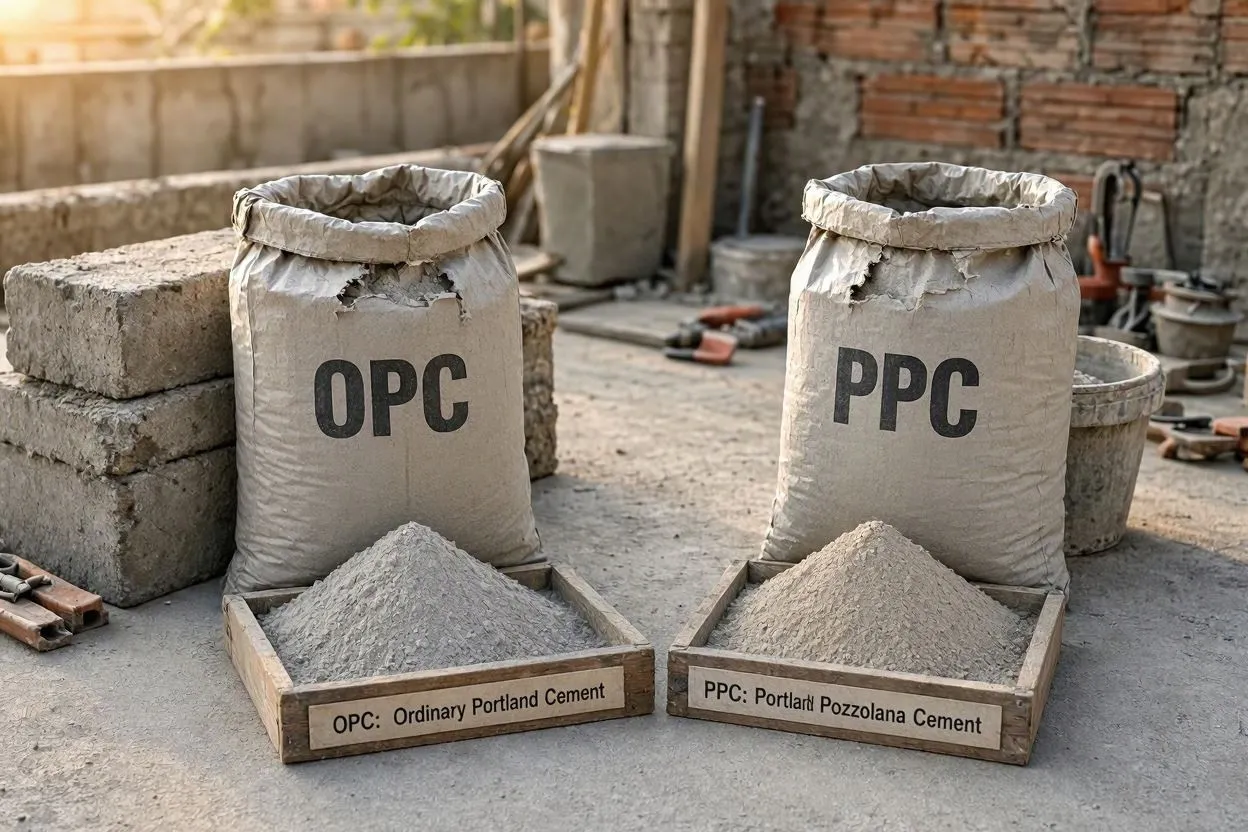
Quick answer: Portland Pozzolana Cement (PPC) is the better pick for most Indian houses, while Ordinary Portland Cement (OPC) wins when a job needs early strength, such as fast-cycle RCC slabs or cold-weather pours. OPC

Green building materials are construction products that cut environmental and health impacts across a life cycle spanning extraction, manufacturing, installation, use and disposal. Proof separates

A kitchen can look finished and still be difficult to use if its work areas do not function together. A sink placed far from food

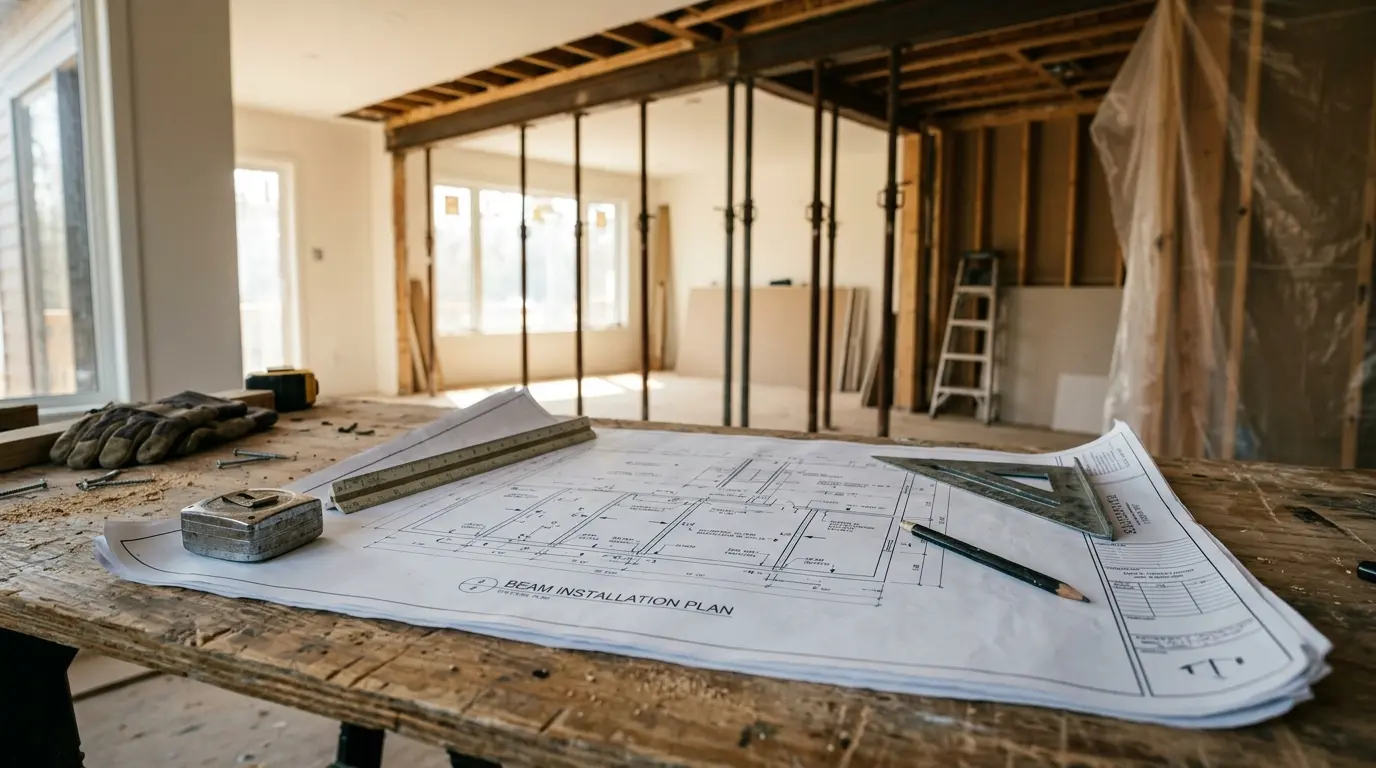
Opening up a closed kitchen or merging two cramped rooms can transform how a California home lives. But when the wall carries part of the
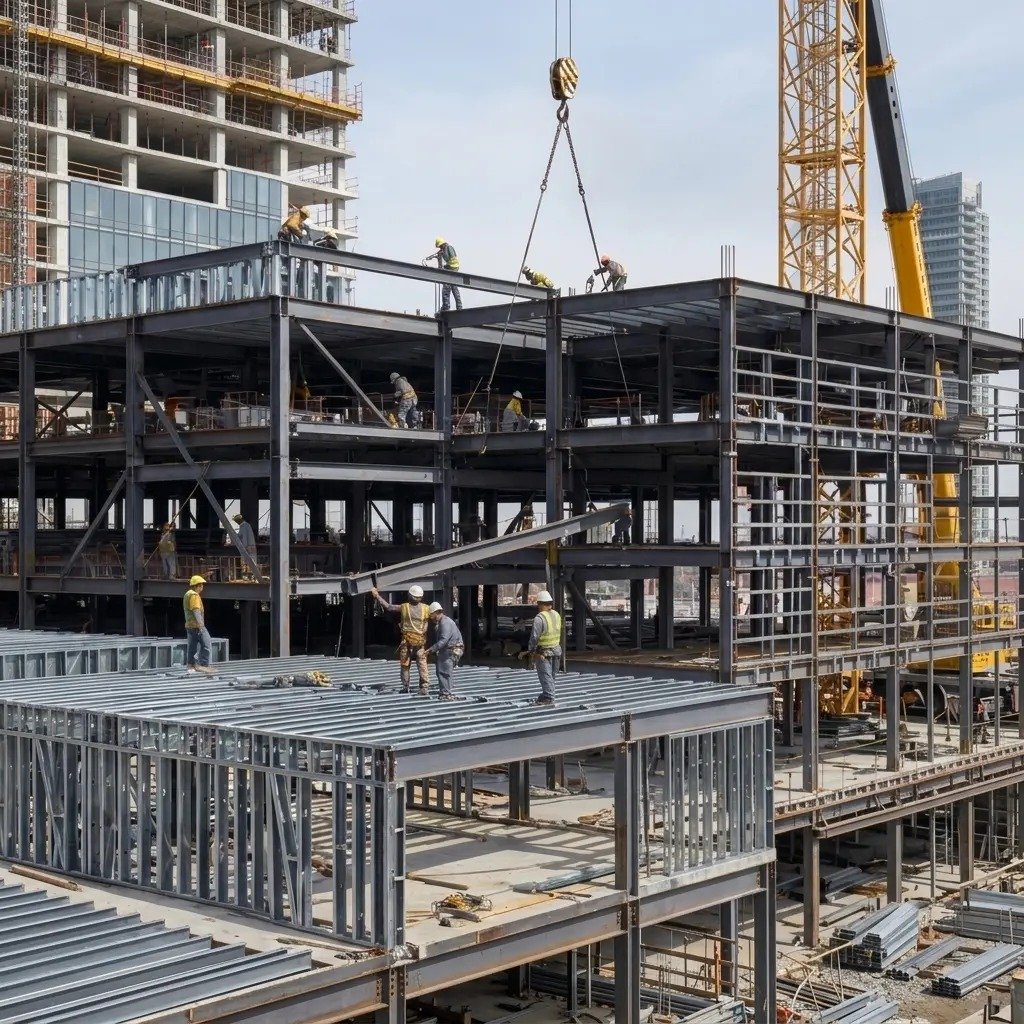
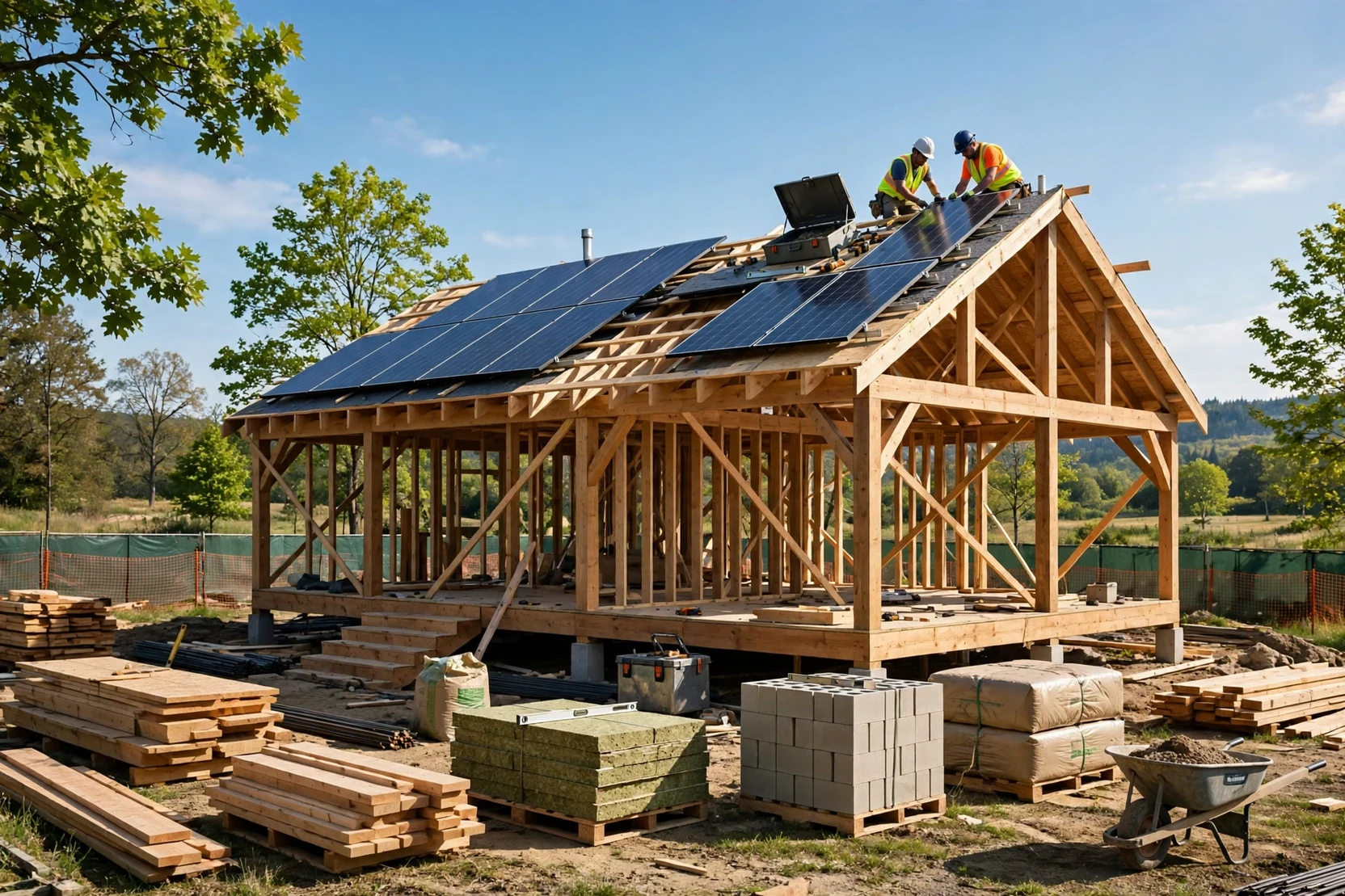
Construction is the process of turning a design into a physical structure, whether that is a house, a bridge, a road or a high-rise. Every project, big or small, moves through the same basic stages: planning, design, site preparation, foundation work, structural framing, building envelope, services and finishing.
Understanding these stages helps you ask better questions, read drawings with confidence and spot mistakes before they become expensive.
Planning and feasibility — budget, site checks, permits and zoning rules.
Design and engineering — architectural drawings, structural calculations and material specifications.
Site preparation — clearing, excavation, soil testing and setting out.
Foundation — the base that spreads the building's weight safely into the ground.
Superstructure — columns, beams, slabs and walls that form the frame.
Building envelope — roof, external walls, windows and waterproofing that keep weather out.
MEP services — mechanical, electrical and plumbing systems.
Finishing — plaster, flooring, paint, fixtures and final inspection.
Most buildings rely on a small group of core materials. Concrete and steel carry the structural loads. Bricks and blocks form walls. Timber is used for framing, roofs and formwork. Cement, lime and mortar bind everything together, while plaster, tiles and paint protect and finish the surfaces. Choosing the right material depends on load, climate, budget and how long the structure must last.
For homeowners, basic construction knowledge means fewer surprises, better budgets and smarter conversations with builders. For students and engineers, it connects textbook theory to real site practice. For professionals, staying current with codes, materials and technology keeps work safe and competitive.
Guides are written and checked by civil engineers, quantity surveyors and site professionals. Technical claims are tied to recognized standards such as ASTM, ACI and the International Building Code where relevant.
Materials, prices, codes and software change. We review our key guides on a regular schedule and show the last-updated date on every article.
Each guide answers a real question with steps, examples, diagrams and worked calculations you can use on site or at home.
Every guide and calculator is free to read and use. No paywalls, no sign-up and no pressure to hire anyone.
Understand materials, costs and timelines before you start a renovation, so you can plan better and talk to builders with confidence.
Civil engineering and architecture concepts explained simply, with diagrams and worked examples that match your coursework.
Quick-reference guides on codes, testing standards, structural basics and material comparisons.
Practical know-how on estimation, scheduling, quality control and site safety that you can apply on the next job.
FAQ
Constructions Pedia is a free online construction encyclopedia. It explains building materials, concrete, foundations, structural basics, cost estimation, project management and site safety in clear, practical language.
Yes. Every article and calculator is free to use, with no account or subscription needed.
Guides are written and reviewed by people with hands-on construction and engineering experience. Each article lists its author and last-updated date.
The core materials are cement, concrete, steel, bricks or blocks, timber, sand and aggregate. Our Types of Construction Materials guide compares their strength, cost and best uses.
It depends on soil type, building load and climate. Shallow foundations like strip and raft footings suit most homes on firm soil, while pile foundations are used on weak or expansive soil.
Concrete reaches about 70% of its strength in 7 days and its design strength in about 28 days under normal conditions. Temperature, humidity and mix design all affect the timeline.
They give reliable estimates for planning and budgeting. For structural design or final quantities, always confirm results with a licensed engineer or estimator.
Yes. Visit our Write for Us page to see the guidelines for guest contributions.
The latest construction technology guides, industry updates, and in-depth articles — delivered to your inbox every week. Join 12,000+ construction professionals.