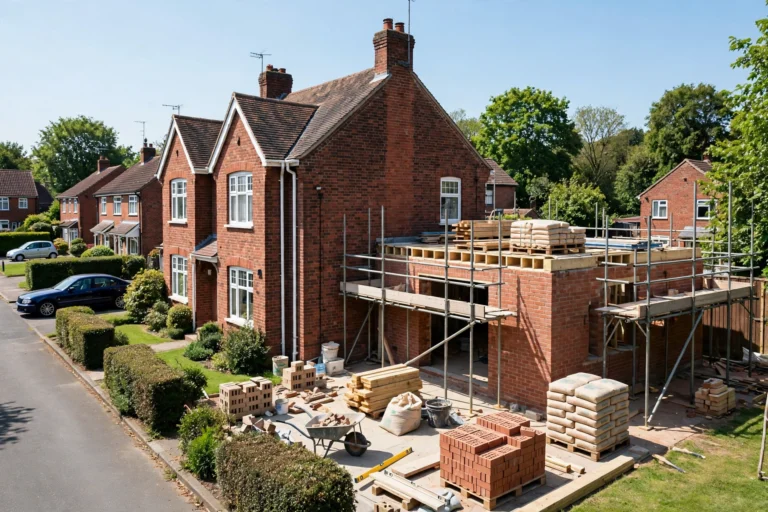
Roofing Cost Metal vs Shingle: What You Will Really Pay
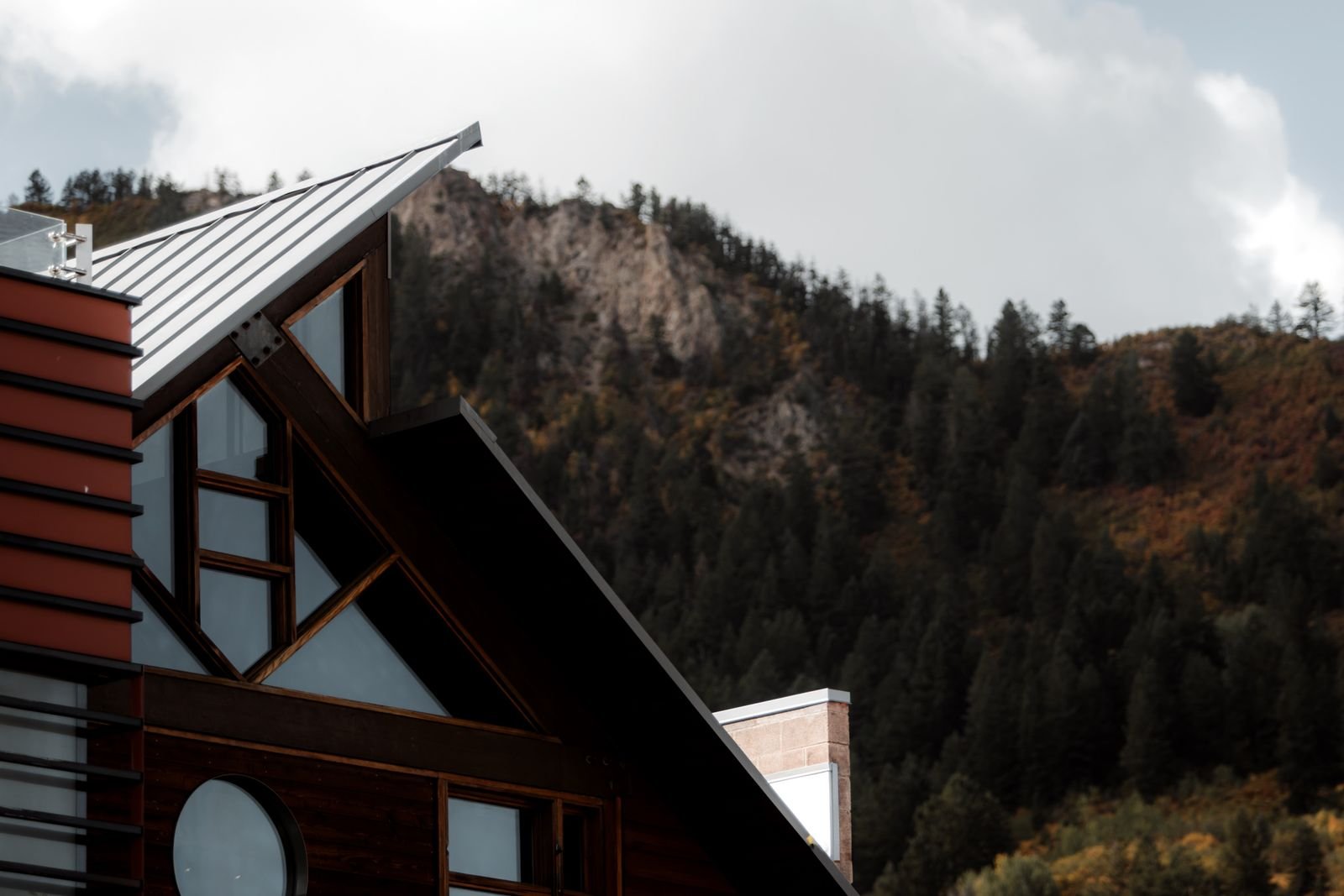
A metal roof costs $7 to $20 per square foot installed, while asphalt shingles cost $4 to $7.50 per square foot, so metal runs about 2 to 3 times more upfront. Lifespan flips the math. Metal usually lasts 40 to 70 years against 20 to 30 for shingles, and that gap settles which roof costs less per year.
Roofing Cost Metal vs Shingle: Price at a Glance
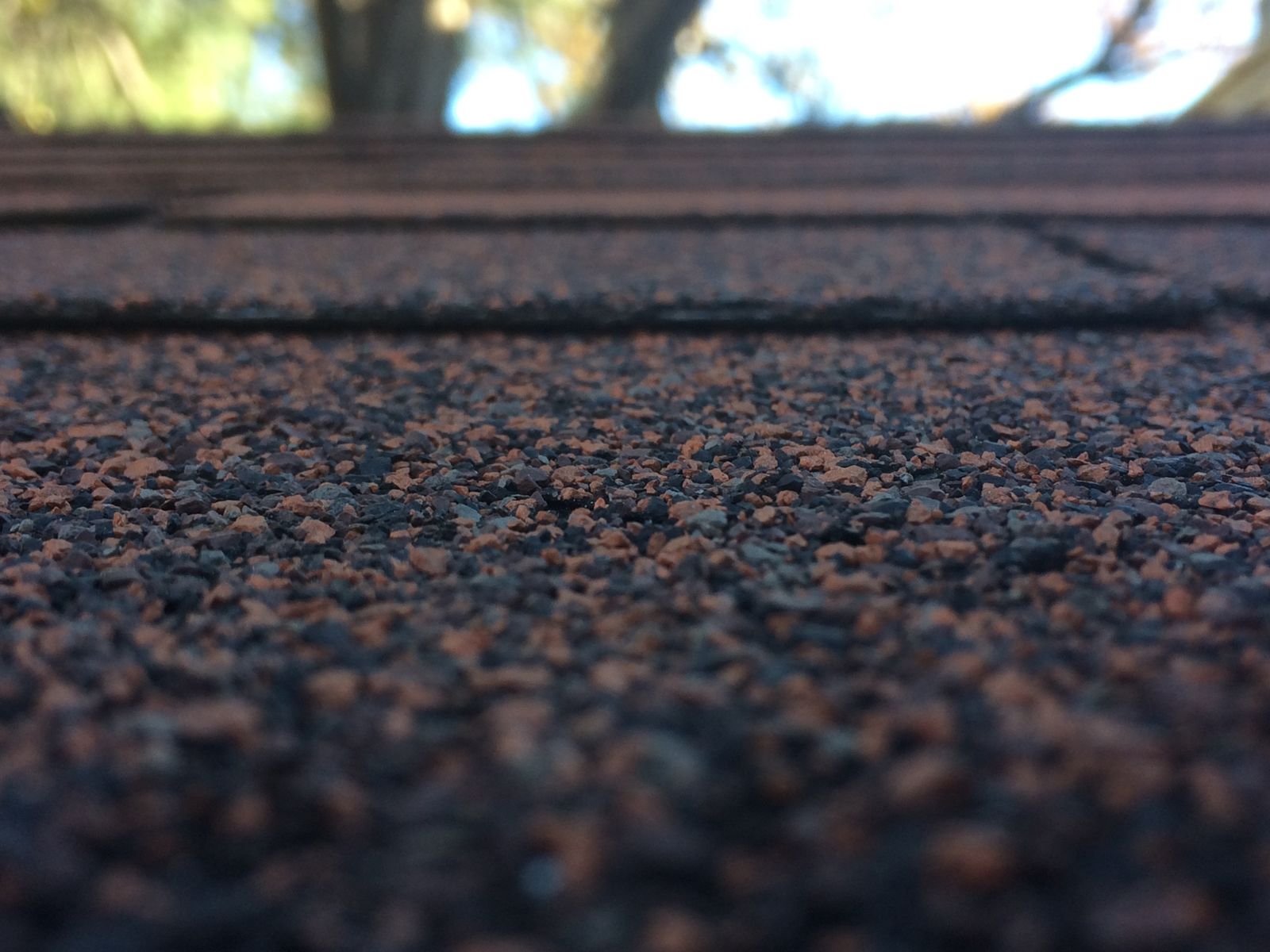
Architectural shingles, the most common US replacement roof, cost $450 to $750 per square installed, and standing seam steel costs $1,200 to $2,000 per square. Here’s the roofing cost metal vs shingle breakdown for every major material in 2026, with each figure covering materials and labor plus standard underlayment and a one-layer tear-off. Use these as baseline numbers.
| Roofing Material | Installed Cost per Sq Ft | Installed Cost per Square (100 sq ft) | Cost per Square Meter | Typical Lifespan |
|---|---|---|---|---|
| 3-tab asphalt shingles | $4.00 to $5.50 | $400 to $550 | $43 to $59 | 15 to 20 years |
| Architectural shingles | $4.50 to $7.50 | $450 to $750 | $48 to $81 | 22 to 30 years |
| Class 4 impact-resistant shingles | $5.50 to $8.50 | $550 to $850 | $59 to $91 | 25 to 30 years |
| Premium designer shingles | $7.00 to $12.00 | $700 to $1,200 | $75 to $129 | 30 to 40 years |
| Exposed fastener metal (R-panel, PBR) | $7.00 to $12.00 | $700 to $1,200 | $75 to $129 | 30 to 45 years |
| Metal shingles / stone-coated steel | $10.00 to $16.00 | $1,000 to $1,600 | $108 to $172 | 40 to 60 years |
| Standing seam steel | $12.00 to $20.00 | $1,200 to $2,000 | $129 to $215 | 40 to 70 years |
| Standing seam aluminum | $14.00 to $24.00 | $1,400 to $2,400 | $151 to $258 | 50 to 70 years |
| Copper or zinc | $25.00 to $40.00+ | $2,500 to $4,000+ | $269 to $431+ | 70 to 100+ years |
What Is a Roofing Square?
A roofing square equals 100 square feet (9.29 square meters) of roof surface. Bids are written per square. Thanks to pitch and overhangs, plus a waste allowance, roof area runs 15% to 40% larger than a home’s footprint. A 2,000 sq ft (186 m²) single-story home typically needs 22 to 28 squares.
How These Prices Were Compiled
These ranges combine published national cost guides, manufacturer pricing data, and typical contractor bids reviewed through November 2026. Your zip code matters. Labor rates and permit fees push local prices 15% to 30% above or below these ranges, and supplier stock moves them as well. For any roofing cost metal vs shingle estimate on your own house, the table works as a benchmark for checking quotes, not a substitute for 3 local bids.
What Is the Cost of Metal Roofing vs Shingle by Material Type?
Metal roofing costs $7 to $24 per square foot depending on panel type, while shingles cost $4 to $12, and the subtype matters more than the material name. That overlap catches people off guard. A budget exposed fastener metal roof can come in under a premium designer shingle roof, which flips the usual assumption that metal always costs more.
Standing Seam Metal Roof Cost
A standing seam metal roof costs $12 to $20 per square foot in steel and $14 to $24 in aluminum. Concealed clips hold the panels in place of exposed screws, so thermal movement doesn’t wear holes through the metal. Finish quality drives the price. With PVDF (polyvinylidene fluoride, sold as Kynar 500) coatings, expect to pay 10% to 20% more than for SMP (silicone-modified polyester) finishes, though PVDF carries 30- to 40-year fade warranties. Englert, Drexel Metals, McElroy Metal, and Metal Sales are common US manufacturers.
Exposed Fastener and Corrugated Metal Roof Cost
Corrugated and exposed fastener metal roofs cost $7 to $12 per square foot, the cheapest metal option. R-panel and PBR panels attach with screws driven straight through the panel face. Those screws are the weak point. Each screw’s rubber washer breaks down in 15 to 25 years, and swapping 3,000 to 5,000 screws on an average home runs $2,500 to $5,000. Most leaks on these systems trace back to installation errors, such as over-driven screws and missed purlins.
Metal Shingles and Stone-Coated Steel Cost
Metal shingles and stone-coated steel cost $10 to $16 per square foot. Granules bonded to Galvalume or G90 galvanized steel let DECRA and similar brands copy the look of wood shake and clay tile. Standard shingle profiles exist too. These systems suit HOA neighborhoods that reject vertical panels, and they frequently carry UL 2218 Class 4 impact ratings.
3-Tab Asphalt Shingle Cost
A 3-tab asphalt shingle roof costs $4.00 to $5.50 per square foot installed. Major manufacturers have trimmed their 3-tab lines. Lower wind ratings (often 60 to 70 mph, or 97 to 113 km/h) and shorter warranties explain the retreat, since dimensional shingles beat 3-tab on both counts for only a modest price bump. Reserve 3-tab for rentals and sheds, plus any home you’ll sell within 5 years.
Architectural Shingle Roof Cost
An architectural shingle roof costs $4.50 to $7.50 per square foot installed. Dimensional shingles from GAF, Owens Corning, CertainTeed, Atlas, IKO, Malarkey, and TAMKO dominate US replacements. Installed with the manufacturer’s nailing pattern, most carry ASTM D7158 Class H wind ratings of 150 mph (241 km/h). Real-world life runs 22 to 30 years. Hot, sunny states such as Arizona land at the short end.
Premium and Class 4 Shingle Cost
Class 4 impact-resistant shingles cost $5.50 to $8.50 per square foot, and designer shingles cost $7 to $12. To pass UL 2218, a shingle takes a 2-inch (5.1 cm) steel ball dropped 20 feet (6.1 m) onto the same spot twice, without cracking. That’s a tough test. A Class 4 rating narrows the durability gap with metal for a fraction of the price.
How Much More Does a Metal Roof Cost vs Shingles?
A metal roof costs about $8,000 to $35,000 more than architectural shingles on a typical home, or roughly 1.5 to 3 times the shingle price. Exposed fastener metal adds a 50% to 70% premium. Standing seam is another story, adding 150% to 200%. At midpoint pricing, standing seam runs $1,600 per square against $600 for architectural shingles, which leaves a $1,000 gap on every square of roof.
Metal Roof Cost vs Shingle Roof Cost by Home Size
On a 25-square roof, typical for a 2,000 sq ft home, architectural shingles cost $11,250 to $18,750 and standing seam costs $30,000 to $50,000. Find your square count first. The table below answers how much do metal roofs cost vs shingles at 4 common roof sizes, from a compact ranch up to a 2,500 sq ft (232 m²) house.
| Roof Size | Typical Home Size | Architectural Shingles | Exposed Fastener Metal | Standing Seam Steel |
|---|---|---|---|---|
| 15 squares (139 m²) | 1,200 sq ft (111 m²) | $6,750 to $11,250 | $10,500 to $18,000 | $18,000 to $30,000 |
| 20 squares (186 m²) | 1,600 sq ft (149 m²) | $9,000 to $15,000 | $14,000 to $24,000 | $24,000 to $40,000 |
| 25 squares (232 m²) | 2,000 sq ft (186 m²) | $11,250 to $18,750 | $17,500 to $30,000 | $30,000 to $50,000 |
| 30 squares (279 m²) | 2,500 sq ft (232 m²) | $13,500 to $22,500 | $21,000 to $36,000 | $36,000 to $60,000 |
Which Hidden Line Items Change a Roofing Quote?
Tear-off, decking repair, underlayment, flashing, trim, permits, and disposal add $1.50 to $4.00 per square foot to any roof replacement. Those 7 items are why 2 quotes on the same house can land $8,000 or more apart. Read them line by line.
Tear-Off, Decking, and Underlayment
Tear-off costs $100 to $250 per square per layer, and each sheet of replacement decking costs $70 to $130. Typical line-item costs for both systems appear below.
| Line Item | Typical Cost | Applies To |
|---|---|---|
| Tear-off and disposal | $100 to $250 per square per layer | Both |
| OSB or plywood decking | $70 to $130 per 4 x 8 ft sheet (2.97 m²) | Both |
| Synthetic underlayment | $15 to $40 per square | Both |
| Ice and water shield | $75 to $150 per square at eaves and valleys | Both (required in cold climates) |
| High-temperature underlayment | $60 to $120 per square | Metal |
| Custom metal trim and flashing | $1,500 to $5,000 per job | Metal |
| Permit | $150 to $800 | Both |
| Dumpster | $400 to $900 | Both |
Asphalt shingles weigh 200 to 430 pounds per square (91 to 195 kg), so a 2-layer tear-off fills bigger dumpsters and increases disposal fees. Metal’s far lighter. Panels weigh 50 to 150 pounds per square (23 to 68 kg).
Roof Pitch and Complexity
Steep pitches, valleys, dormers, and penetrations raise labor costs by 10% to 50%. Anything steeper than 8/12 calls for harness systems and roof jacks, and crews move slower on those slopes. Valleys hit metal hardest. Because metal panels need custom-bent flashing at every valley and penetration, a cut-up roof with 6 valleys erases much of the cost advantage a simple metal gable roof enjoys.
Can You Install a Metal Roof Over Shingles?
Yes, metal can go over 1 layer of existing shingles in most jurisdictions, saving $2,500 to $6,000 in tear-off costs. Under International Residential Code (IRC) Section R908, a roof with 2 or more layers can’t be re-covered, and neither can one with water-soaked decking or deteriorated sheathing. Furring strips or a slip sheet go over the old shingles to stop condensation and telegraphing. Hidden rot is the real risk. Nobody sees the decking under an overlay, so insist on an attic-side inspection before you approve the job.
Why Are Metal Roof Prices Higher in 2026?
Metal roof prices rose because of 50% Section 232 tariffs on imported steel and aluminum, plus higher domestic coil prices. Shingles climbed too. Their prices rose more slowly, though, tracking asphalt and labor costs rather than the steel market.
Section 232 Steel and Aluminum Tariffs
The federal government raised Section 232 tariffs on steel and aluminum to 50% in June 2025 and extended them to many derivative products. Most residential steel coil comes from domestic mills, yet those mills price against tariffed import levels, so homeowners pay more either way. Quotes expire fast. Many suppliers cap validity at 15 to 30 days, which is why a written price lock belongs in the contract before you sign.
Federal Tax Credit Status
No, a new roof does not qualify for a federal energy tax credit in 2026. Metal and asphalt roofs lost eligibility for the Section 25C credit (IRS Form 5695) in 2023, and 2025 federal legislation ended 25C for property placed in service after December 31, 2025. Rebates are another matter. In parts of California and some other areas, state and utility cool-roof rebates still exist, and the Database of State Incentives for Renewables & Efficiency (DSIRE) lists local programs.
Metal Roof vs Shingle Roof Cost Over Time
Metal becomes cheaper per year of service once the shingle roof needs its first replacement, usually in years 22 to 30. Until then, shingles are cheaper in every scenario, whether you compare them against exposed fastener panels or standing seam.
Lifespan Comparison
Standing seam metal lasts 40 to 70 years, exposed fastener metal lasts 30 to 45 years, and architectural shingles last 22 to 30 years. Hail zones and hot climates shave years off shingles. Metal’s lifespan hinges on coating quality and installer skill, so a thin SMP finish on a sloppy install won’t reach the top of that range.
Break-Even Calculation for a 2,000 Sq Ft Home
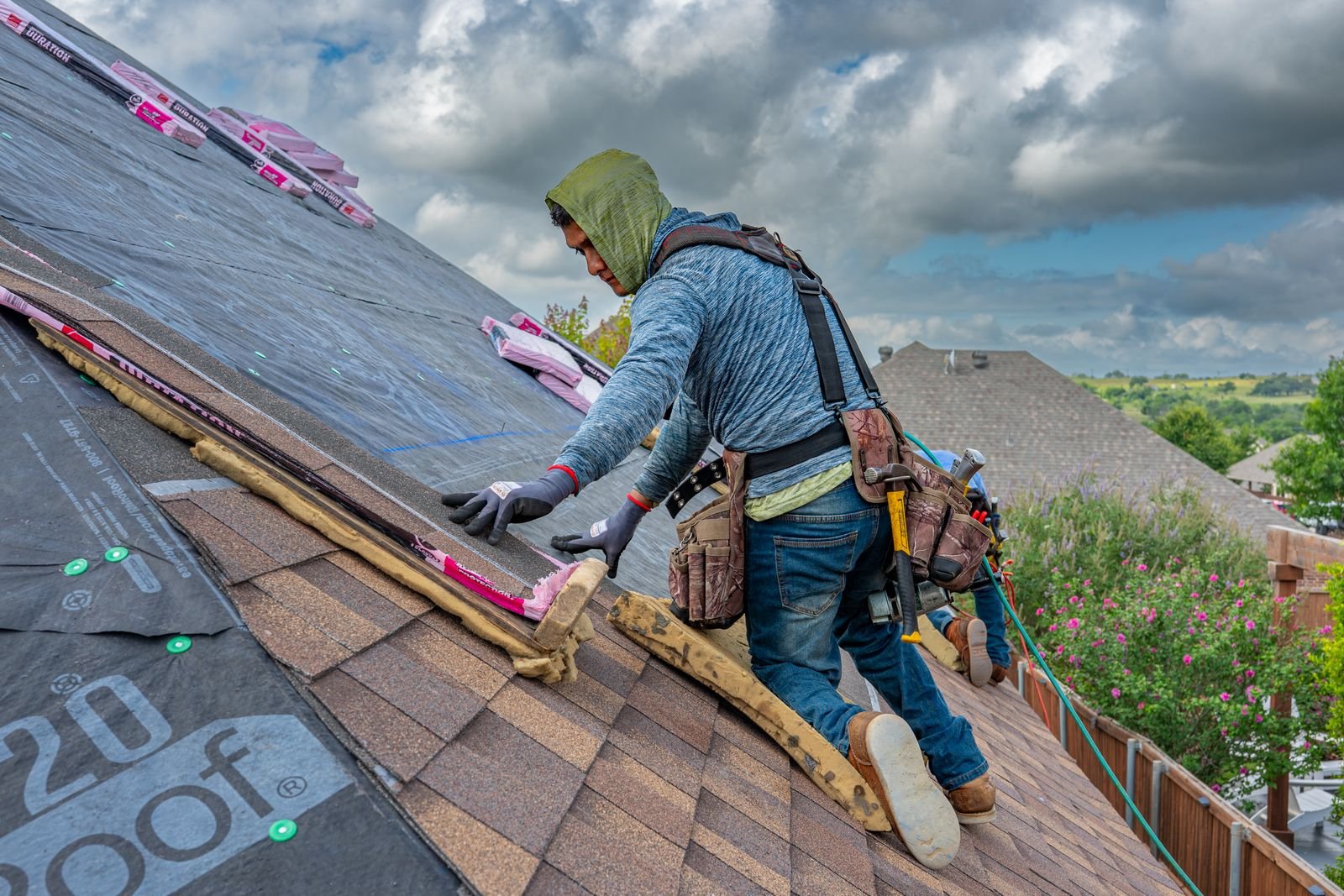
Over 40 years, standing seam costs about $42,000 total while architectural shingles cost about $46,400, so metal wins by roughly $4,400. Assumptions matter here. This roofing cost metal vs shingle example uses a 25-square roof at midpoint prices with a 25-year shingle life, and it applies 3% annual inflation to future replacements.
| Ownership Horizon | Architectural Shingles ($15,000) | Exposed Fastener Metal ($23,750) | Standing Seam Steel ($40,000) | Cheapest Option |
|---|---|---|---|---|
| 10 years | $15,000 | $23,750 | $40,000 | Shingles |
| 20 years | $15,500 (minor repairs) | $27,500 (screw replacement) | $41,000 | Shingles |
| 30 years | $46,400 (2nd roof at year 25) | $27,500 | $41,500 | Exposed fastener metal |
| 40 years | $46,400 | $27,500 | $42,000 | Exposed fastener metal |
| Cost per year at 40 years | $1,160 | $688 | $1,050 | Exposed fastener metal |
To calculate your own break-even, follow these 4 steps:
- Divide each quote by the roof’s expected lifespan to get the cost per year.
- Multiply the cost per year by the number of years you plan to stay.
- Add expected maintenance, such as screw replacement or shingle repairs.
- Subtract any annual insurance discount multiplied by your years of ownership.
Insurance can swing the result. Over 25 years, a $400 annual Class 4 discount moves $10,000 toward metal, enough to close most of the gap between exposed fastener panels and shingles.
Resale Value and ROI
Asphalt roof replacement typically recoups a higher percentage of its cost at sale than metal, roughly 55% to 70% against 45% to 60%. Zonda’s Cost vs. Value Report has shown this pattern for years, because buyers rarely pay a full premium for remaining roof life. Appraisers credit a new roof. Few credit metal at 2 to 3 times shingle value, though.
How Does Roofing Material Affect Insurance Premiums?
A Class 4 roof can cut the wind and hail portion of a homeowners insurance premium by 5% to 35% in hail-prone states. Both materials can qualify. The product needs a UL 2218 or FM 4473 Class 4 rating, and insurers in Texas, Oklahoma, Colorado, and Minnesota offer some of the largest discounts. Alabama, Louisiana, and several other states tie discounts or grants to the Insurance Institute for Business and Home Safety (IBHS) FORTIFIED Roof standard.
Check the policy for cosmetic damage exclusions. In hail states, many carriers deny claims for dents on metal roofs that still keep water out. Class 4 shingles change the roofing cost metal vs shingle math here, since they can deliver a similar discount for $20,000 less upfront than standing seam.
Where Does Metal Roofing Pay Off Most?
Metal pays off most in Hail Alley, snowy northern states, and wildfire zones, while shingles hold value best in mild climates with short ownership periods. Climate picks the winner. Below, 5 US regions are matched to the roof that delivers better value against the threat each one faces most often.
| Region | Main Roof Threat | Better Value | Key Detail |
|---|---|---|---|
| Hail Alley (TX, OK, KS, NE, CO) | Hail | Class 4 metal or Class 4 shingles | Insurance discounts are largest here |
| Florida and Gulf Coast | Hurricane wind, salt air | Aluminum standing seam | Steel corrodes within 1 to 3 miles (1.6 to 4.8 km) of saltwater |
| Northeast and Upper Midwest | Snow load, ice dams | Standing seam metal | Snow sheds off metal, and snow guards cost $5 to $15 per linear foot |
| California and Mountain West | Wildfire | Metal (Class A fire rating) | Wildland-urban interface (WUI) codes require Class A roofs under UL 790 / ASTM E108 |
| Pacific Northwest | Moss, constant moisture | Metal | Moss shortens shingle life by 5 to 10 years without treatment |
Metal Roof vs Shingles Pros and Cons
Metal offers longer life, better fire and snow performance, and lower maintenance, while shingles offer lower upfront cost, easier repairs, and wider contractor availability.
| Factor | Metal Roof | Asphalt Shingles |
|---|---|---|
| Upfront cost | Higher ($7 to $24 per sq ft) | Lower ($4 to $12 per sq ft) |
| Lifespan | 30 to 70 years | 15 to 30 years |
| Repair cost | Higher, needs matching panels | Lower, single-shingle swaps |
| Energy efficiency | Reflective coatings lower cooling loads | Cool-granule shingles help less |
| Weight | 50 to 150 lbs per square (23 to 68 kg) | 200 to 430 lbs per square (91 to 195 kg) |
| Material warranty | 30 to 50 years on finish | 25 years to limited lifetime |
| Contractor pool | Smaller, specialized crews | Large, competitive bids |
| Recyclability | Fully recyclable | Mostly landfilled |
Finishes rated by the Cool Roof Rating Council (CRRC) reflect 25% to 70% of solar energy, cutting summer cooling costs by roughly 10% to 25% in hot climates. Noise worries are overblown. Over solid decking with underlayment, rain on metal sounds close to rain on shingles, and the loud “barn roof” drumming comes from panels screwed straight onto open purlins. Condensation shows up only when installers skip underlayment or ventilation.
When Are Shingles the Smarter Buy?
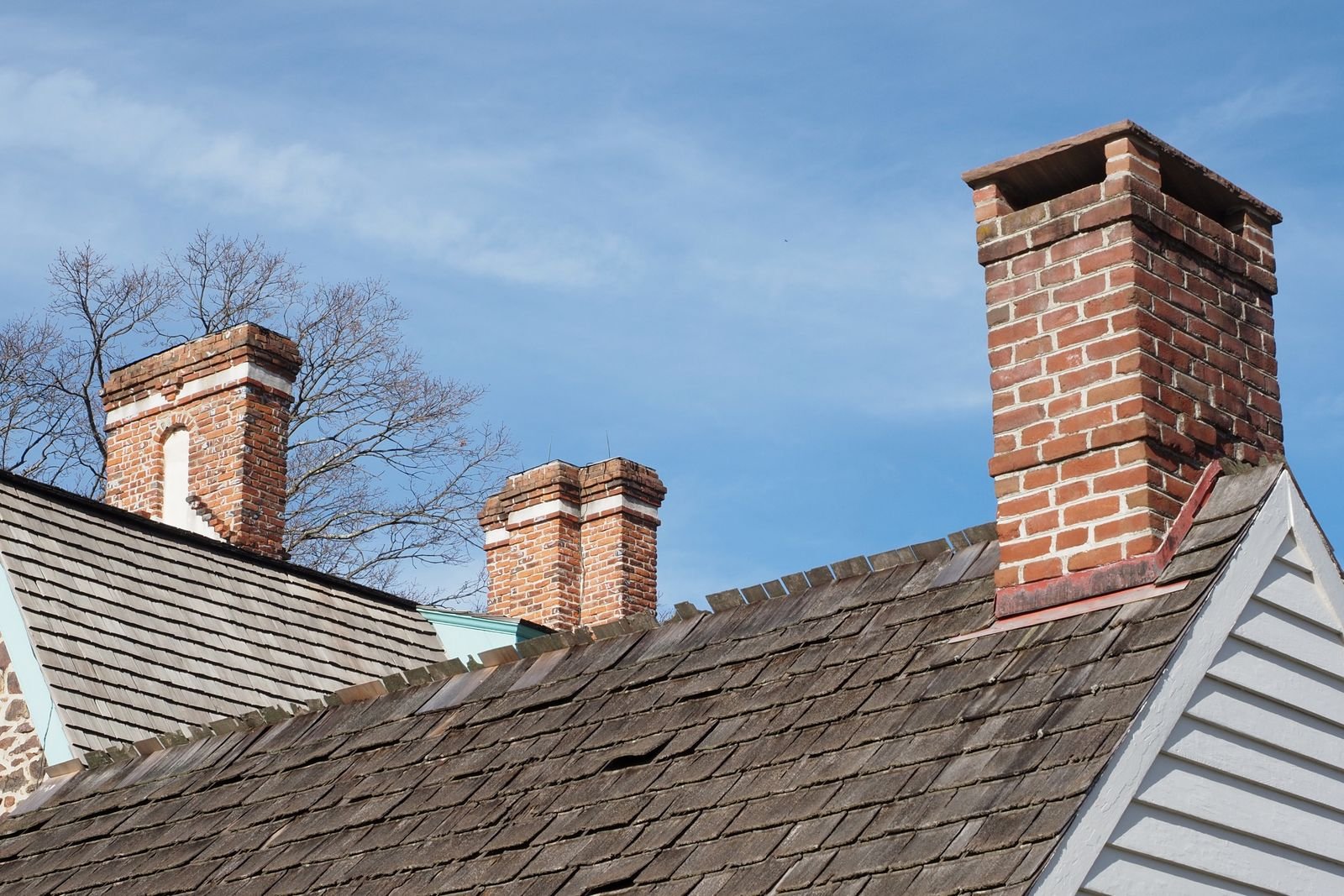
Shingles are the smarter buy in 5 situations, mostly tied to budget and ownership horizon.
- Selling within 10 to 15 years, since buyers rarely pay full value for remaining metal life.
- Living under an HOA that bans metal panels, although Texas Property Code Section 202.011 blocks HOAs from banning certain impact-resistant and energy-efficient shingles.
- Owning a complex roof with 5 or more valleys, dormers, or skylights that inflate metal flashing costs.
- Financing a tight budget, because a $40,000 metal roof at 9% over 15 years costs about $380 per month against about $152 for a $15,000 shingle roof.
- Living in a mild climate where Class 4 shingles already earn the available insurance discount.
How to Compare Metal and Shingle Roofing Quotes
To compare roofing quotes, get 3 written bids that list identical line items, then check 8 specific details.
- Confirm the material brand, product line, gauge (26 or 24 gauge for steel), and finish type (PVDF or SMP).
- Verify the number of layers being torn off.
- Ask for the per-sheet price of decking replacement.
- Check the underlayment type and ice and water shield coverage.
- Request the manufacturer warranty plus the contractor’s workmanship warranty in writing.
- Confirm that the installer holds manufacturer certification for the specific metal system.
- Ask how long the quote price is locked.
- Request photos of 3 completed jobs of the same roof type within 50 miles (80 km).
Watch exposed fastener bids closely. A missing screw-pattern drawing is one red flag, and silence about closure strips at the eaves and ridge is the other.
FAQs
How much does a metal roof cost vs shingles?
A metal roof costs $7 to $24 per square foot installed, while shingles cost $4 to $12. For a 2,000 sq ft home, that’s $17,500 to $50,000 for metal versus $11,250 to $18,750 for architectural shingles.
Is a metal roof worth it if I sell within 10 years?
No, a metal roof rarely pays back within 10 years. Buyers recoup roughly half its cost at sale. Shingles return more when you’ll move within a decade.
Can I get a tax credit for a metal roof in 2026?
No, federal tax credits do not cover roofs in 2026. Roofs dropped out of Section 25C in 2023, and the credit itself ended after 2025. Some states and utilities still fund cool-roof rebates.
Does a metal roof lower homeowners insurance?
Yes, a Class 4 rated metal roof can reduce wind and hail premiums by 5% to 35%. Savings vary by state and carrier. Class 4 shingles often earn an identical discount.
Is a metal roof louder than shingles?
No, metal installed over solid decking and underlayment sounds close to shingles during rain. Real noise comes from panels fastened straight to open framing, a setup you’ll mostly find on barns.
Conclusion
The roofing cost metal vs shingle decision comes down to time: shingles win if you stay under 20 years, and metal wins if you stay past the first shingle replacement. Upfront, metal costs $8,000 to $35,000 more on a typical home. It lasts 2 to 3 times longer, though, and can earn insurance discounts in hail states. Run the break-even steps with 2026 tariff pricing in mind, then line up 3 itemized bids before you commit to either roof replacement.

Related Posts